Asbestos in Victorian and Edwardian Residences
If you possess or look after a Victorian or Edwardian home, it is very important to understand asbestos was typically made use of for fireproofing, insulation, and decorative surfaces. You'll locate it in distinctive ceilings, old floor tiles, pipe lagging, and even luxuriant plasterwork. Disturbing these products can release hazardous fibers, so constantly avoid exploration or sanding suspect areas. Protecting your home's character methods handling asbestos dangers meticulously and speaking with experts. There's more to recognize if you want to shield both health and wellness and background.
Takeaways
- Asbestos was widely utilized in Victorian and Edwardian homes for fireproofing, insulation, and ornamental coatings as a result of its price and sturdiness.
- Common locations consist of pipe lagging, roof covering slates, flooring ceramic tiles, textured ceilings, and asbestos-reinforced plaster moldings.
- Visual signs of asbestos consist of thick cement-like materials, crumbly ceiling floor tiles, flaking exterior trims, and old vinyl flooring with hard backing.
- Breathing of asbestos fibers can cause significant health and wellness dangers, including asbestosis, mesothelioma, and lung cancer, usually manifesting decades later on.
- If asbestos is suspected, avoid troubling products and seek expert assessment or elimination to guarantee safety and security and preservation of historic functions.
Why Asbestos Was Made Use Of in Victorian and Edwardian Homes
Although modern knowledge highlights the dangers of asbestos, its use in Victorian and Edwardian homes was driven by useful demands and limited choices. You'll notice that during this period, fire was a consistent risk, especially in urban atmospheres where close quarters and open flame illumination dominated. Asbestos emerged as a leading fireproofing material, valued for its resistance to warmth and affordability. Its convenience meant you would certainly locate it in whatever from insulation and roof to ornamental coatings. The industrial aesthetics of the period also preferred products that recommended progression and toughness, making asbestos a modern selection. When maintaining these homes today, it's important to acknowledge how asbestos was integrated both for safety and security and style, so you can identify, paper, and manage it with treatment during remediation or maintenance.
Exactly How Asbestos Can Affect Your Wellness
If you disturb asbestos in your home, you're at threat for breathing illnesses triggered by inhaling its fibers. Over time, also low-level direct exposure can enhance your opportunities of creating major cancers such as mesothelioma cancer or lung cancer. It's crucial to identify signs and symptoms like relentless coughing or shortness of breath, as these can show asbestos-related conditions.

Breathing Health Problems From Direct Exposure
When small asbestos fibers end up being air-borne and are breathed in, they can lodge deep within your lungs, bring about a series of significant breathing illnesses. In Victorian and Edwardian homes, even minor disturbances— like exploration or sanding-– can launch these fibers from old insulation or floor tiles. You'll locate that conditions such as asbestosis and pleuritis are connected to extended direct exposure, especially through work-related exposures or household dust that collects over time. Asbestosis creates lung cells scarring, which minimizes your lung ability and makes breathing challenging. Pleuritis results in painful inflammation of the lung cellular lining. If you're committed to preserving historical properties, it's necessary to recognize these threats and deal with products with treatment. Avoiding fiber launch shields both your health and the architectural honesty of your home.
Long-Term Cancer Cells Dangers
Also minimal exposure to asbestos fibers in old homes can considerably increase your life time threat of developing particular cancers, a lot of specifically mesothelioma and lung cancer. Unlike more instant breathing ailments, these cancers might emerge years after preliminary call, making early acknowledgment of danger elements essential. If you've experienced job-related direct exposure in building and construction or restoration, your risk is higher, but domestic direct exposure during do it yourself jobs or routine maintenance should not be undervalued.
Your hereditary susceptibility additionally contributes; some individuals are extra susceptible to asbestos-induced cancers cells despite very little get in touch with. When preserving Victorian or Edwardian homes, it's crucial to understand that historic appeal may conceal harmful products. Handling or troubling asbestos-containing products without appropriate preventative measures can have irreparable long-lasting effects on your health, no matter exposure duration.
Asbestos-Related Disease Symptoms
Although asbestos exposure usually goes undetected at first, its wellness effects can emerge quietly and progression over years. You may not experience instant signs and symptoms, yet comprehending very early signs and non respiratory indications is essential for prompt treatment and preservation of your wellness. Relentless cough, lack of breath, and chest tightness are traditional signals, yet asbestos-related illness often materialize through refined modifications, such as unexplained exhaustion or clubbing of fingers. Don't neglect these caution indicators, specifically if your home days to the Victorian or Edwardian era.
Early Signs and symptoms
Non Breathing Indications
Relentless dry coughing
Clubbing of fingers/toes
Lack of breath
Unusual weight reduction
Upper body pain or rigidity
General fatigue or despair
Early discovery can help mitigate long-term damages and guides safe home conservation.
Asbestos Products Generally Discovered in Duration Houses
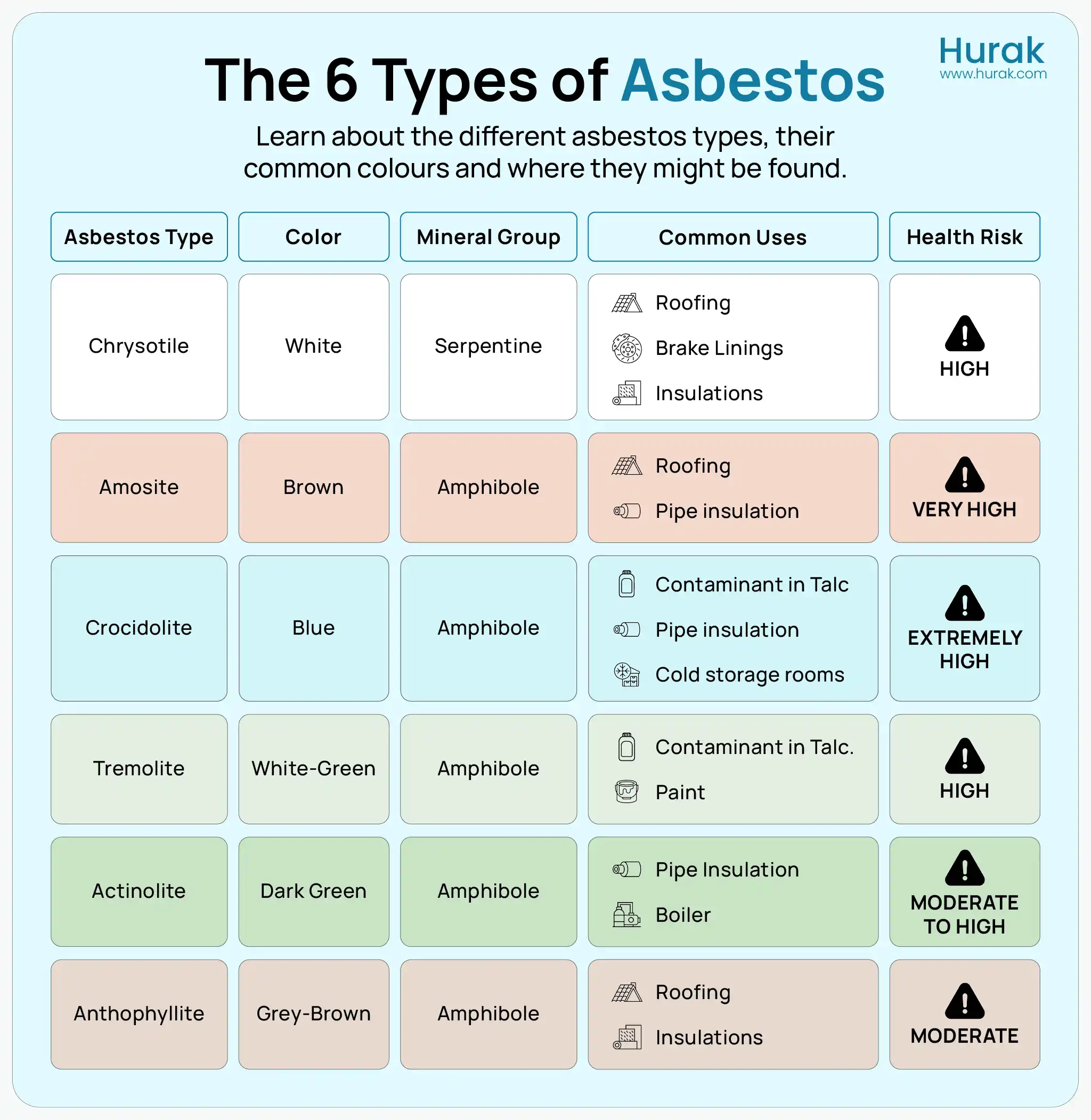
Because numerous period homes were built prior to the threats of asbestos were widely acknowledged, you'll often find this dangerous product incorporated into different structure parts. As you evaluate a Victorian or Edwardian home, it's important to acknowledge where asbestos may have been purposefully used for its fire resistance and sturdiness. Conservation initiatives require understanding which original products are most likely to contain it, so you can intend risk-free repair approaches. Usual asbestos-containing materials consist of insulation residues left in attics and around pipelines, along with flooring ceramic tiles that were prominent for their toughness and strength.
- Pipe and central heating boiler insulation residues
- Floor tiles, particularly those with a 9-inch or 12-inch account
- Distinctive wall and ceiling coverings
- Asbestos cement roof covering slates and gutters
- Backing materials for old electric fuse boards
Where Asbestos May Be Hiding in Your Home
Within the walls and under the floorings of numerous older homes, asbestos may exist in position you might not expect. In Victorian and Edwardian homes, you'll often locate asbestos-containing products in attic room insulation, specifically if loose-fill or vermiculite was used. Initial pipeline lagging, central heating boiler coats, and duct covers in crawlspaces or cellars frequently have asbestos fibers, making basement sheeting one more area of issue. Old floor ceramic tiles, ceiling panels, and wall surface plasters occasionally integrated asbestos for additional toughness and fire resistance. Also outside features, such as cement boards or roofing shingles, might harbor asbestos. Understanding these normal areas is essential to preserving your home's historical honesty while guaranteeing safety. Always strategy prospective asbestos areas with caution and focus on professional evaluation prior to any renovation or fixing job.
Exactly How to Detect Indications of Asbestos in Old Houses
When evaluating an older home, you'll desire to pay close interest to building products like distinctive ceilings, vinyl floor covering, or old pipe insulation that might have asbestos. Refined building information, such as initial plaster or uncommon ceiling tiles, can supply aesthetic ideas to its presence. Do not neglect covert threats in decorative elements— decorative wall panels or synthetic fire place surrounds might likewise harbor asbestos fibers.
Typical Asbestos-Containing Products
Although asbestos was commonly utilized in household building throughout much of the 20th century, several house owners today aren't conscious of which products in their old residences might include this unsafe compound. Comprehending product identification is necessary before undertaking insulation upgrades or repair job in Victorian and Edwardian homes. Asbestos was valued for its fire resistance and resilience, making it a typical component in structure products you might still find today. If you're aiming to maintain your home's historic honesty while guaranteeing security, start by understanding these frequently run into asbestos-containing products:
- Pipe and boiler insulation (often cloth- or cardboard-like)
- Floor floor tiles (especially 9-inch or 12-inch selections)
- Distinctive wall and ceiling finishes
- Concrete siding and roof covering shingles
- Old support for vinyl sheet flooring
Always seek advice from specialists for correct analysis.
Aesthetic Ideas in Design
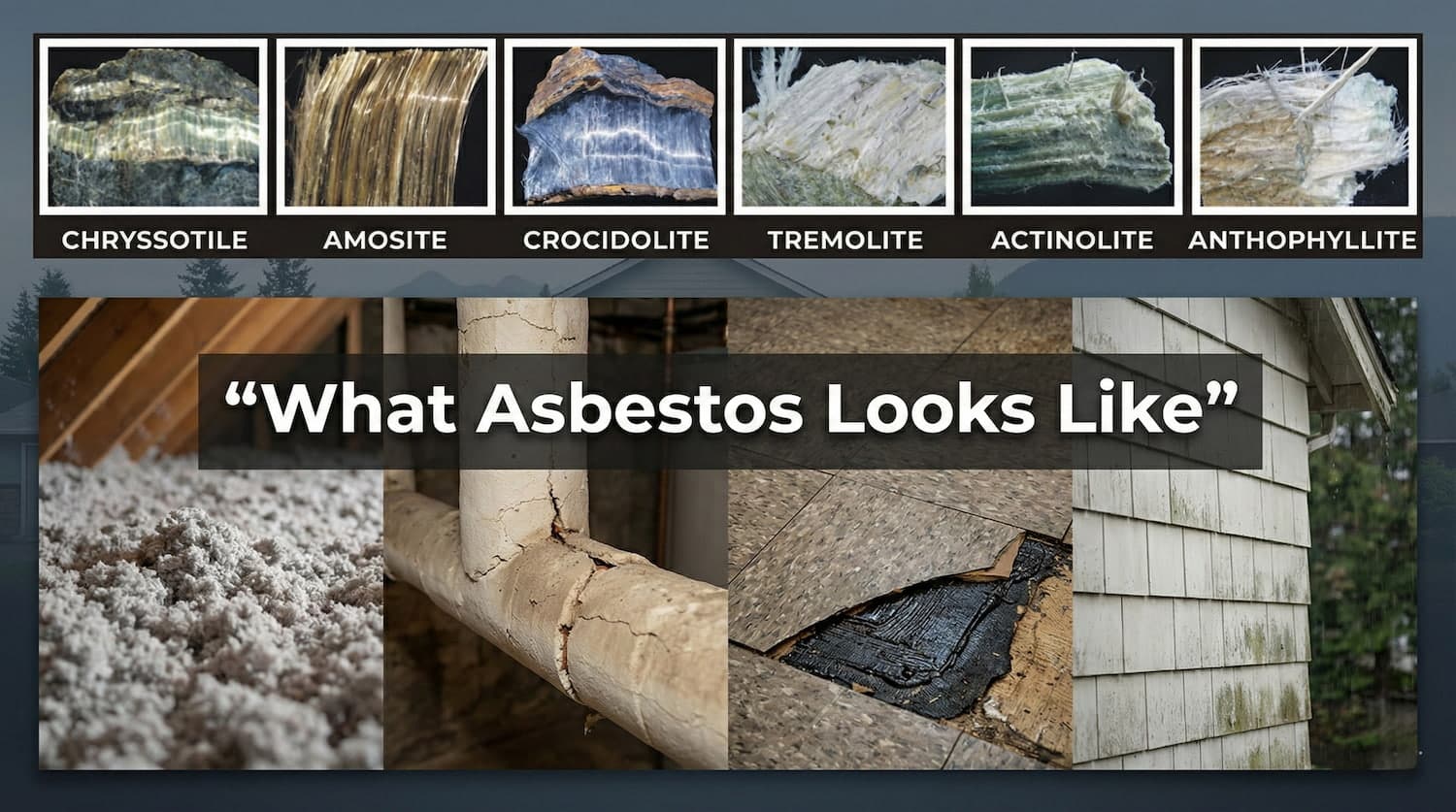
Identifying asbestos in an older home isn't always uncomplicated, yet a trained eye can identify refined building hints. Begin by taking a look at building outlining— locations like cornices, ceiling roses, and attractive moldings typically utilized asbestos-reinforced plaster for included durability. Pay very close attention to roofline decoration, such as finials, soffit boards, and bargeboards, as these functions were in some cases built with asbestos concrete to endure weathering.
Search for materials that have a thick, cement-like appearance or seem uncommonly hard compared to surrounding woodwork. click here Flaking surface areas, especially on exterior ornamental trims, may indicate asbestos web content. If you're working to protect initial features, beware prior to disturbing any type of suspicious product. Record your monitorings and consult a professional accustomed to duration construction to confirm the visibility of asbestos before continuing.
Hidden Dangers in Design
While numerous of asbestos's threats prowl behind wall surfaces and underneath floorings, ornamental components inside old homes can additionally hide this harmful product. You'll intend to look closely at functions that usually go ignored— particularly if you're intending to preserve original Victorian or Edwardian appeal. Vintage wallpaper, as an example, might have been backed with asbestos-laced paper for insulation or fireproofing. Period illumination components sometimes contain asbestos in their electrical wiring or insulation. Even decorative ceiling ceramic tiles and textured wall finishes can harbor surprise fibers. To help you recognize prospective risks, look for:
- Fragile, crumbly ceiling tiles or panels
- Peeling or layered antique wallpaper
- Asbestos-backed plastic or linoleum floor covering
- Insulation around period lights components
- Old distinctive paint or plaster coatings
Preserve with care— consult an expert if not sure.
What to Do if You Suspect Asbestos
If you believe asbestos may exist in your home, it's critical not to disturb any products that could contain it. Asbestos fibers are hazardous when air-borne, so stay clear of boring, sanding, or moving suspect products. Instead, restrict accessibility to the afflicted location and think about momentary containment, such as securing off spaces or covering surface areas with plastic sheeting, to reduce the risk of direct exposure.
Don't try elimination or tasting on your own. Rather, organize for a specialist evaluation. Certified asbestos specialists have the know-how and tools to safely review your home while protecting its historical integrity. They'll identify threat locations and recommend risk-free management options. Keep in mind, in Victorian and Edwardian homes, undisturbed asbestos is commonly safer left alone until specialist guidance is available. Prioritize safety and security and preservation at every action.
Exactly how to Test for Asbestos Securely

As soon as you have actually restricted gain access to and avoided disturbing any type of suspect materials, the next action is scheduling safe asbestos screening. You should not attempt to example materials yourself unless you're totally knowledgeable about the threats and proper techniques. Accurate testing is essential for shielding both health and wellness and the historical stability of Victorian and Edwardian homes. Expert air tasting provides a clear photo of airborne asbestos fibers, while do it yourself packages are available but should be made use of with care. Constantly focus on safety and security and accuracy to ensure any preservation efforts do not unintentionally subject you or others.
- Use disposable gloves, coveralls, and a P2 mask when dealing with suspicious products.
- Prevent developing dust— never ever sand, drill, or break examples.
- Usage just certified laboratories for example analysis.
- Consider air tasting to find unnoticeable fibers.
- Tag and seal all examples right away after collection.
When to Contact Asbestos Elimination Professionals
Although some small asbestos risks can be managed with cautious monitoring, there are situations where only certified professionals must manage removal. If you uncover damaged products or suspicious widespread contamination in your Victorian or Edwardian home, don't attempt removal on your own. Accredited service providers have specialized training and equipment to decrease disruption and protect both you and your historic residential property. Emergency situation elimination may be needed if asbestos is unexpectedly exposed after events like flooding or renovation accidents. To aid you make a decision when skilled treatment is essential, consider the following scenarios:
Circumstance
Activity Needed
Damaged asbestos insulation
Call qualified specialists
Particles after architectural damage
Emergency situation removal
Friable asbestos discovered inside
Professional analysis
Renovation near suspect products
Speak with specialists
Massive contamination
Certified elimination team

Your home's stability— and your safety— rely on notified choices.
Preserving Historic Beauty While Taking Care Of Asbestos Dangers
While preserving the special character of an older home, you'll wish to address asbestos dangers without jeopardizing initial attributes. It's vital to stabilize contemporary safety and security requirements with respect for historical aesthetics and heritage conservation. Careful planning aids protect ornamental plaster, initial moldings, and period information while handling hazardous materials. Collaborating with specialists guarantees that treatments are minimally invasive and relatively easy to fix whenever possible. Right here are some key techniques:
- Get in touch with heritage preservation experts before modifying any type of initial attributes.
- Request asbestos surveys that map danger without destructive historic aspects.
- Select encapsulation or room over removal to maintain historical materials.
- Usage reversible approaches so future remediations remain possible.
- Paper all treatments to preserve an accurate record for future owners or specialists.
This method safeguards both your health and your home's legacy.
Often Asked Concerns
Can I Market a Residence With Asbestos in It?
Yes, you can market a residence with asbestos in it, yet you'll need to give a complete residential or commercial property disclosure to possible buyers. It's vital you inform them concerning the existence and place of asbestos to prevent future customer responsibility issues. Conservation of historical functions is possible, yet safety and lawful conformity should come first. Always comply with regional guidelines and consider expert asbestos analysis or removal, guaranteeing both transparency and preservation are balanced.
Does Home Insurance Cover Asbestos Elimination?
Do not anticipate your insurance coverage to swoop in like a superhero when it pertains to asbestos removal— many home insurance coverage has ironclad insurance policy exclusions for this particular threat. Unless you have actually included special policy endorsements, you're most likely by yourself for those prices. asbestos in artex Insurance companies normally see asbestos as a upkeep issue, not an abrupt crash. corrugated asbestos removal If you're devoted to maintaining your home, evaluate your policy and think about specialized recommendations for historical restoration needs.
Are There Grants for Asbestos Elimination in Historical Residences?
Yes, you might find gives for asbestos elimination in historic homes, particularly if your residential property certifies under historical preservation standards. Grant qualification frequently relies on your home's historical standing, place, and the desired conservation work. You'll intend to check with neighborhood or state historical conservation workplaces, in addition to government programs like those supplied by the National Depend On for Historic Preservation. Carefully assess all demands to make sure your project satisfies their certain criteria.
Just How Much Does Asbestos Removal Usually Price?
Exact prices for asbestos elimination actually depends on a number of significant elements: square footage, site specifics, and tasting. You'll discover elimination estimates range extensively— usually $1,500 to $3,000 for small areas, but bigger projects can rise to $20,000 or more. asbestos removal specialists Asbestos prices reflects both the complexity of containment and the treatment needed for conservation. Always speak with qualified specialists to make sure risk-free, sensitive removal that honors your home's background while protecting your health and wellness.
Is Asbestos Hazardous if Left Undisturbed?
If you leave asbestos undisturbed, it's usually not unsafe due to the fact that the fibers stay consisted of, reducing wellness threats. Nonetheless, if the material gets harmed or degrades, fibers can end up being airborne, presenting severe respiratory system threats. Air tracking is vital to ensure fiber degrees remain secure, specifically throughout any improvement or conservation job. You're ideal off protecting the initial products intact and consistently looking for signs of wear to prevent unneeded exposure.